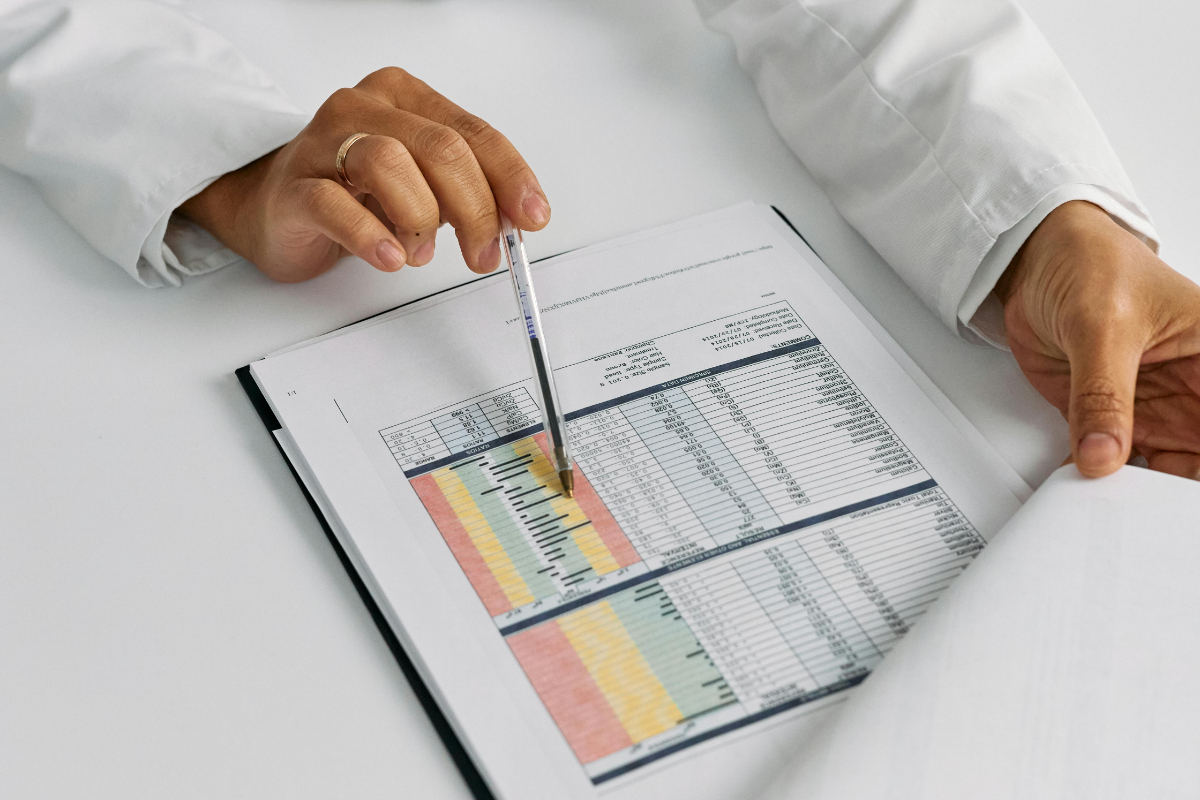
Men are statistically less likely to seek preventive medical care than women. According to the CDC, men are 33% less likely to visit a doctor for a routine checkup and 24% more likely to skip recommended screening tests. This gap has consequences: conditions like cardiovascular disease, diabetes, and prostate cancer are often diagnosed later in men precisely because they were never screened early.
Blood tests are the most accessible preventive tool available. A single panel drawn from a morning blood sample can reveal metabolic dysfunction, hormonal changes, organ damage, and cancer risk markers — all before symptoms appear.
This guide outlines exactly which blood tests men should consider at each stage of life, based on recommendations from the American Cancer Society (ACS), the U.S. Preventive Services Task Force (USPSTF), and the American Urological Association (AUA).
Disclaimer: This information is for educational purposes only and does not replace professional medical advice. Your individual risk factors — family history, lifestyle, existing conditions — may require a different screening schedule. Always consult your physician.
Why Age-Based Screening Matters for Men
The body changes predictably with age. Testosterone begins declining around age 30 at roughly 1% per year. Cardiovascular risk accumulates. Prostate cells undergo hyperplasia. Metabolic rate slows while visceral fat tends to increase.
These changes are not emergencies — they are gradual shifts that become clinically significant over decades. The purpose of age-based screening is to catch the transition from "normal aging" to "pathological change" before it causes damage.
A man whose LDL cholesterol reaches 160 mg/dL at age 35 has a manageable problem. The same man at 55 with untreated LDL of 190 mg/dL and calcified arteries has a serious one.
Your 20s: Establishing the Baseline
In your 20s, the goal is not to find disease — it is to create a personal health snapshot that all future results will be measured against.
Core Panel
| Test |
Why It Matters |
| Complete Blood Count (CBC) |
Screens for anemia, infection, immune status |
| Comprehensive Metabolic Panel (CMP) |
Liver enzymes, kidney function, electrolytes, fasting glucose |
| Lipid Panel |
Total cholesterol, LDL, HDL, triglycerides |
| Fasting Glucose or HbA1c |
Diabetes screening baseline |
Additional Tests to Consider
- Vitamin D: Deficiency is remarkably common in young men, especially those who work indoors or live at northern latitudes. Levels below 30 ng/mL affect bone health, mood, and immune function.
- Thyroid (TSH): Not routine at this age, but worth checking if you have a family history of thyroid disease, unexplained fatigue, or weight changes.
- STI Panel: Sexually active men should screen for chlamydia, gonorrhea, syphilis, HIV, and hepatitis B/C regardless of symptoms.
Frequency
Every 2–3 years if results are normal and you have no risk factors. Annually if there is a family history of early heart disease, diabetes, or metabolic syndrome.
Your 30s: Metabolic Monitoring Begins
The 30s are when lifestyle choices begin materializing as measurable changes. Sedentary habits, alcohol consumption, stress, and diet show up in blood chemistry.
Core Panel
Everything from the 20s panel, plus:
| Test |
Why It Matters |
| HbA1c |
More reliable diabetes marker than fasting glucose alone |
| Ferritin and Iron Studies |
Iron overload (hemochromatosis) is the most common genetic condition in men of European descent |
| Liver Panel (AST, ALT, GGT) |
Alcohol, medications, and fatty liver disease begin showing at this age |
| Uric Acid |
Gout risk — increasingly common in men in their 30s |
Testosterone Awareness
Routine testosterone testing is not recommended for asymptomatic men in their 30s. However, if you experience:
- Persistent fatigue not explained by sleep or stress
- Reduced libido or erectile dysfunction
- Loss of muscle mass despite regular exercise
- Mood changes, irritability, or depression
...then a total testosterone and free testosterone panel is appropriate. Morning draws (before 10 AM) are essential, as testosterone peaks in the early hours.
Cardiovascular Risk Assessment
The AHA recommends that men aged 20–39 have a cardiovascular risk assessment every 4–6 years. By 35, your lipid panel results become more predictive. If LDL exceeds 130 mg/dL or triglycerides exceed 150 mg/dL, annual monitoring is warranted.
Frequency
Annually. This is when annual blood work should become a habit.
Your 40s: Expanded Screening
The 40s represent a critical inflection point. Cardiovascular disease becomes the leading cause of death for men in this decade. Type 2 diabetes prevalence rises sharply. Prostate changes begin.
Core Panel
Everything from the 30s panel, plus:
| Test |
Why It Matters |
| hsCRP (high-sensitivity C-reactive protein) |
Cardiovascular inflammation marker — predicts heart attack risk independently of cholesterol |
| Hemoglobin and Hematocrit |
Polycythemia can develop from testosterone therapy or sleep apnea |
| TSH + Free T4 |
Thyroid dysfunction prevalence increases after 40 |
| Vitamin B12 |
Deficiency rates rise, especially with metformin use or GI conditions |
| Homocysteine |
Elevated levels are an independent cardiovascular risk factor |
Prostate Discussion
The AUA does not recommend routine PSA screening before age 55 for average-risk men. However, the conversation should begin at 40 if you have:
- A first-degree relative with prostate cancer
- African American heritage (2x higher risk)
- Known BRCA2 mutation carrier status
A baseline PSA at 40 helps stratify future risk. Men with PSA below 1.0 ng/mL at age 40 have very low lifetime risk. For how to read a PSA result — age-specific normal ranges, the free-to-total PSA ratio, and what an elevated value actually means — see our PSA test interpretation guide.
Diabetes Intensification
By 40, HbA1c should be tested annually. The USPSTF recommends screening all adults aged 35–70 who are overweight or obese for prediabetes and type 2 diabetes. A fasting insulin level can also reveal insulin resistance before glucose levels become abnormal.
Frequency
Annually, with some markers (lipids, HbA1c, liver panel) potentially checked every 6 months if borderline.
Your 50s and Beyond: Comprehensive Surveillance
After 50, screening is no longer optional — it is essential. Cancer risk, cardiovascular events, and metabolic disease all peak. But they are also most treatable when caught early through consistent monitoring.
Core Panel
Everything from the 40s panel, plus:
| Test |
Why It Matters |
| PSA (Prostate-Specific Antigen) |
Shared decision-making recommended ages 55–69 (USPSTF) |
| Blood Chemistry Panel |
Comprehensive kidney and liver function becomes critical |
| Coagulation Panel (PT/INR) |
Especially important if on blood thinners or with cardiovascular history |
| Testosterone (Total + Free) |
Symptomatic hypogonadism becomes more prevalent |
| Vitamin D + Calcium |
Osteoporosis is not just a women's disease — men over 50 lose bone density too |
Cancer Screening Integration
Blood tests complement other cancer screening modalities:
- Colonoscopy: Starting at age 45 (ACS recommendation, updated from 50)
- Low-dose CT lung screening: For men aged 50–80 with a 20+ pack-year smoking history
- PSA: After discussion with your doctor about benefits and risks of screening
Kidney Function Monitoring
Estimated GFR (eGFR) and creatinine become more important. Chronic kidney disease affects 15% of US adults over 65, and early detection allows interventions that slow progression.
Frequency
Every 6–12 months depending on existing conditions and risk factors. Men on medications for cholesterol, blood pressure, or diabetes may need more frequent monitoring.
Building Your Personal Testing Schedule
Rather than memorizing every marker, use this simplified framework:
Every Man, Every Year (Age 30+)
- CBC with differential
- Comprehensive metabolic panel
- Lipid panel
- HbA1c
- TSH
Add After 40
- hsCRP
- Vitamin D
- B12
- Testosterone (if symptomatic)
- Liver panel with GGT
Add After 50
- PSA (after physician discussion)
- Coagulation studies (if indicated)
- Fasting insulin
- Homocysteine
Lifestyle-Specific Additions
- Heavy alcohol use: GGT, MCV, liver panel every 6 months
- Bodybuilding/supplement use: Liver panel, kidney function, testosterone, hematocrit
- Sedentary desk job: Fasting insulin, lipids, vitamin D, hsCRP
- Family history of heart disease: Lp(a), apoB, advanced lipid panel
How to Use Your Results
Getting tested is only half the process. The real value lies in tracking trends over time, not fixating on a single result.
A hemoglobin of 14.2 g/dL is normal. But if your hemoglobin was 15.8 g/dL two years ago, a drop of 1.6 points deserves investigation — even though both values fall within the reference range.
This is why establishing a baseline in your 20s matters so much. You become your own control group.
For a detailed guide on understanding your lab report, see our article on how the CBC compares to a metabolic panel and which situations call for each.
Get Your Results Interpreted
Understanding which tests to order is the first step. Interpreting what the numbers mean is the next.
Upload your blood test results to Evallume for a detailed, personalized interpretation. The analysis covers reference ranges, flags abnormalities, and helps you understand what your body is telling you — no medical jargon, no guesswork.
Disclaimer: Evallume provides educational interpretation and does not replace a consultation with your physician. Always discuss significant findings with a qualified healthcare provider.