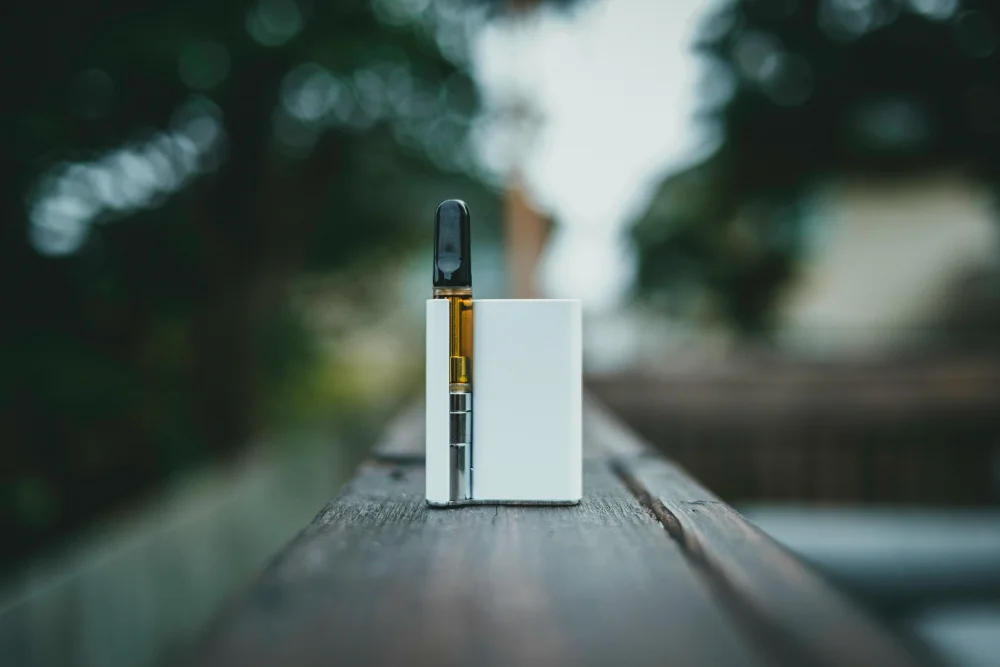
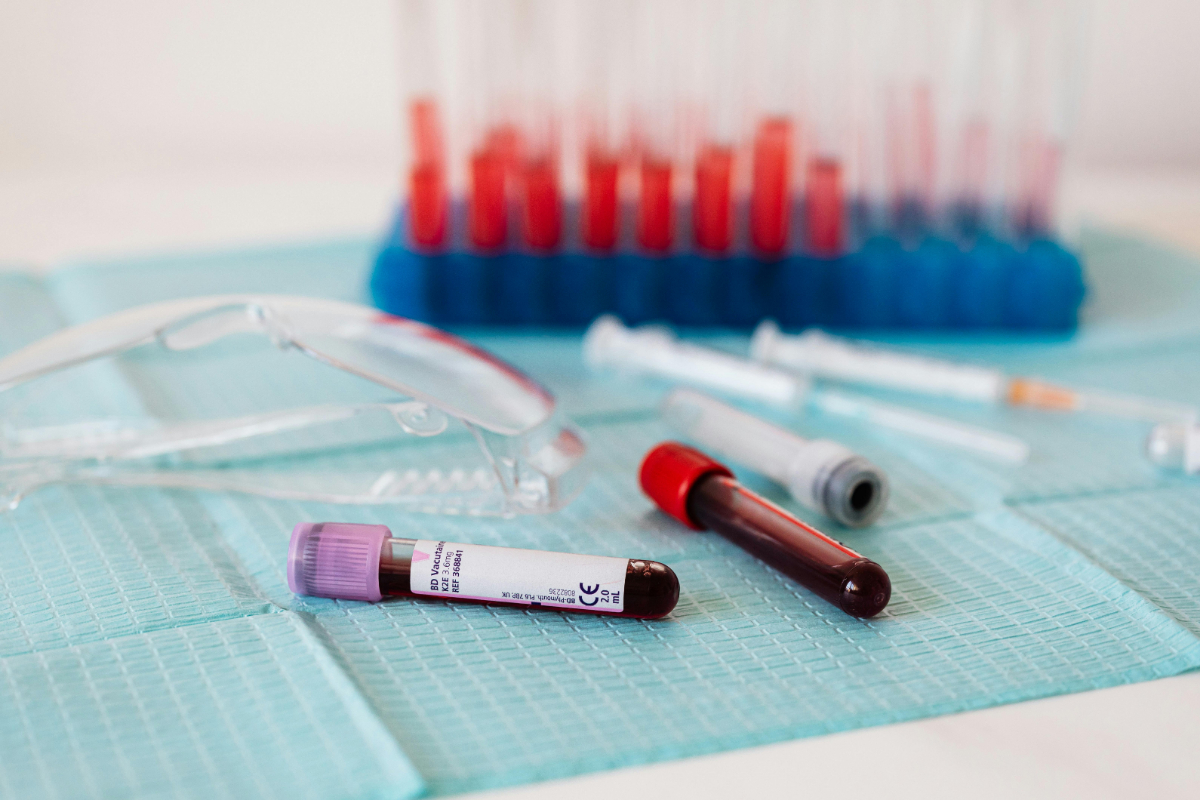
Will your doctor know you vaped last night? Can a glass of wine the evening before a blood draw change your results? If you smoke regularly, does it leave visible traces on a standard complete blood count?
These are some of the most commonly searched questions before lab work — and the answers are more nuanced than a simple yes or no. A standard CBC does not screen for nicotine or alcohol directly. There is no line item for "cigarettes smoked" or "drinks consumed." But both substances leave measurable, indirect footprints on your blood that an experienced clinician can recognize.
This guide explains exactly what smoking, vaping, and alcohol do to your CBC and other common blood tests, how long the effects last, and what practical steps you can take to ensure your results accurately reflect your health.
Disclaimer: This article is for educational purposes only and does not replace professional medical advice. If you are concerned about substance use and its health effects, speak with your healthcare provider — they are there to help, not to judge.
Part 1: Does a Standard Blood Test Detect Nicotine or Alcohol?
The direct answer: no.
A complete blood count (CBC) — the most commonly ordered blood test — measures cell counts and their characteristics: red blood cells, white blood cells, platelets, hemoglobin, and related indices. It was designed to detect anemia, infection, clotting disorders, and similar conditions. It does not contain a "nicotine" or "ethanol" field.
Similarly, a standard blood chemistry panel measures metabolic markers like glucose, electrolytes, liver enzymes, and kidney function. While alcohol can affect several of these values (more on that below), the panel is not a drug or alcohol screen.
Dedicated tests for nicotine and alcohol exist but must be ordered separately:
- Cotinine test (blood or urine): Detects nicotine's primary metabolite. Positive for 1-3 days after last use in occasional users, longer in heavy smokers. Used in insurance physicals, employment screening, and cessation programs.
- CDT (carbohydrate-deficient transferrin): A marker of chronic heavy alcohol use over the preceding 2-3 weeks. Required in some jurisdictions for driver's license reinstatement after DUI.
- EtG/EtS urine test: Detects alcohol metabolites for up to 48-72 hours after consumption. Used in court-mandated monitoring and addiction recovery programs.
- PEth (phosphatidylethanol): A blood test that can detect alcohol consumption over the past 3-4 weeks. Increasingly used in clinical and forensic settings.
Unless your doctor specifically orders one of these, your standard lab work will not reveal whether you smoked a cigarette, hit a vape, or had a beer last night.
However — and this is the important part — chronic use of nicotine and alcohol changes the blood in ways that are visible on routine tests. Experienced clinicians recognize these patterns. Let us look at each substance in detail.
Part 2: How Smoking and Nicotine Affect Blood Test Results
Whether you smoke traditional cigarettes, use a vape pen, or chew nicotine pouches, the physiological effects on blood are similar. The primary mechanisms are carbon monoxide exposure (from combustion) and nicotine's direct vascular effects.
Elevated Hemoglobin and Red Blood Cells (Polycythemia)
This is the most prominent and well-documented change. Carbon monoxide (CO) from cigarette or vape smoke binds to hemoglobin approximately 200 times more tightly than oxygen, forming carboxyhemoglobin — a form of hemoglobin that cannot carry oxygen.
The body responds by ramping up red blood cell production (erythropoiesis) to compensate for the reduced oxygen-carrying capacity. The result on your CBC:
- Hemoglobin: 16-18 g/dL in smokers vs. 13-16 g/dL in nonsmokers (typical male ranges).
- RBC count: Elevated above 5.5 x 10^12/L.
- Hematocrit: 48-52% or higher.
This is called secondary polycythemia — the bone marrow is overproducing red cells in response to chronic hypoxia. It is one of the first things a hematologist considers when seeing an unexpectedly high hemoglobin in an otherwise healthy person.
For context on normal hemoglobin ranges, see hemoglobin and hematocrit normal ranges.
Increased Blood Viscosity and Clotting Risk
More red cells means thicker blood. Elevated hematocrit increases viscosity, which raises the risk of blood clots, stroke, and cardiovascular events. Your doctor may notice this as an elevated hematocrit combined with a relatively high platelet count — the blood is both thicker and stickier.
Elevated White Blood Cell Count (Leukocytosis)
Chronic smoking causes persistent low-grade inflammation in the airways. The immune system responds with a sustained increase in circulating white blood cells:
- WBC count: Often 8-12 x 10^9/L in regular smokers (vs. 4-8 in nonsmokers).
- Neutrophils: Mildly elevated — reflecting the chronic inflammatory state.
A physician seeing a WBC of 10-11 in an otherwise healthy patient without any symptoms of infection may ask about smoking habits, because this mild leukocytosis is one of the most consistent hematological signatures of tobacco use.
For more on WBC elevations, see high and low white blood cell counts.
Vaping-Specific Effects
Vaping eliminates combustion and therefore most carbon monoxide exposure, but nicotine's effects on the vascular system remain. Studies published since 2020 also show:
- Eosinophil elevation: Propylene glycol, vegetable glycerin, and flavoring chemicals in e-liquids can provoke an allergic-type inflammatory response. Eosinophils above 5% without a clear allergic history may raise suspicion. Learn more in our article on eosinophils, basophils, allergy, and parasites.
- Platelet activation: Nicotine increases platelet aggregation regardless of delivery method, contributing to clotting risk. For context, see platelet count: high and low PLT.
- Oxidative stress markers: While not visible on a standard CBC, vaping increases markers of oxidative stress that may show up on more advanced inflammatory panels.
How Long Do Smoking Effects Last in Blood Work?
| Effect |
Onset |
Duration After Quitting |
| Acute WBC spike (single cigarette) |
Within minutes |
30-60 minutes |
| Chronic WBC elevation |
Weeks of regular use |
2-4 weeks after quitting |
| Elevated hemoglobin/hematocrit |
Weeks of regular use |
2-3 months after quitting |
| Carboxyhemoglobin |
Each cigarette |
4-6 hours (half-life) |
| Eosinophil elevation (vaping) |
Variable |
Days to weeks after stopping |
The takeaway: a single cigarette before your blood draw will not dramatically change your CBC (though it may slightly spike your WBC). But months of regular smoking creates a pattern — high hemoglobin, high hematocrit, mildly elevated WBC — that cannot be hidden by skipping a morning smoke.
Part 3: How Alcohol Affects Blood Test Results
Alcohol's effects on blood tests are both acute (what happens the morning after drinking) and chronic (what happens after months or years of regular consumption). Both are clinically significant.
Acute Effects: Drinking the Night Before
If you consumed alcohol within 12-24 hours before a blood draw, expect these distortions:
Dehydration and hemoconcentration. Alcohol is a potent diuretic — it suppresses antidiuretic hormone (ADH), causing your kidneys to excrete more water. By morning, you may be mildly dehydrated, which concentrates the blood and artificially inflates:
- Hemoglobin (may appear 1-2 g/dL higher than true value)
- Hematocrit (may appear 3-5% higher)
- Red blood cell count
This can mask underlying anemia or create a falsely reassuring picture.
Transient bone marrow suppression. A single episode of heavy drinking can temporarily suppress bone marrow activity, leading to:
- Mildly reduced WBC (leukopenia) — which could be confused with a viral infection.
- Mildly reduced platelet count — which, combined with alcohol's anticoagulant effects, increases bleeding risk.
Blood sugar fluctuations. Alcohol initially raises blood glucose, but by 4-8 hours later (typically the morning of your blood draw), it often causes reactive hypoglycemia. If your doctor ordered a fasting glucose or metabolic panel, the result may be misleadingly low.
Liver enzyme elevation. On a chemistry panel, even moderate drinking can raise:
- GGT (gamma-glutamyl transferase) — the most sensitive marker.
- ALT and AST (liver transaminases) — elevated with heavier consumption. See our AST blood test interpretation guide.
Chronic Effects: Regular or Heavy Drinking Over Months
Long-term alcohol use produces more pronounced and persistent changes:
Macrocytosis (high MCV). This is the hallmark finding. Alcohol directly impairs red blood cell maturation, producing abnormally large cells. An MCV above 100 fL in a patient without B12 or folate deficiency is one of the most recognized markers of chronic alcohol use. Hematologists and addiction medicine specialists flag this immediately.
For context on red cell indices, read MCV, MCH, MCHC, and RDW explained.
Folate and B12 depletion. Chronic alcohol use interferes with the absorption and metabolism of folate and vitamin B12, compounding the macrocytosis. This can progress to megaloblastic anemia if left uncorrected. See our vitamin blood test interpretation guide.
Thrombocytopenia. Alcohol suppresses platelet production and shortens platelet lifespan. Chronic drinkers often have platelet counts in the 100-140 x 10^9/L range — technically below normal but not low enough to cause spontaneous bleeding. The count usually recovers within 1-2 weeks of abstinence.
Anemia. Through multiple mechanisms — direct marrow suppression, folate deficiency, gastrointestinal bleeding — chronic alcohol use frequently leads to anemia. The pattern is often macrocytic (high MCV, low hemoglobin), distinguishing it from the microcytic pattern seen in iron deficiency.
How Long Do Alcohol Effects Last in Blood Work?
| Effect |
Onset |
Duration After Last Drink |
| Dehydration/hemoconcentration |
Hours |
24-48 hours |
| WBC suppression |
Hours |
24-72 hours |
| Liver enzyme elevation (GGT) |
Days of regular use |
2-4 weeks after stopping |
| High MCV (macrocytosis) |
Weeks of regular use |
2-4 months after stopping |
| Thrombocytopenia |
Weeks of regular use |
1-2 weeks after stopping |
| CDT elevation |
2+ weeks of heavy use |
2-4 weeks after stopping |
Comparison Table: Smoking vs Alcohol Effects on CBC
| CBC Parameter |
Chronic Smoking/Vaping |
Alcohol (Night Before) |
Chronic Alcohol Use |
| Hemoglobin |
Elevated (true increase) |
Falsely elevated (dehydration) |
Often low (anemia) |
| Hematocrit |
Elevated |
Falsely elevated |
Normal or low |
| RBC count |
Elevated |
Falsely elevated |
Normal or low |
| MCV |
Normal |
Normal |
Elevated (macrocytosis) |
| WBC |
Mildly elevated |
Mildly decreased |
Variable |
| Platelets |
Normal or mildly elevated |
Mildly decreased |
Often decreased |
| ESR |
May be decreased (thick blood) |
May be elevated |
Often elevated |
Practical Advice: How to Get Accurate Results
If you want your blood work to reflect your true health status — not the effects of last night's choices — follow these evidence-based guidelines:
-
Avoid alcohol for at least 48 hours before any blood draw. This eliminates acute dehydration effects and allows liver enzymes to begin normalizing. A 72-hour window is even better.
-
Avoid smoking or vaping for at least 1-2 hours before the draw. This will normalize the acute WBC spike and vascular effects. Note: this does nothing for chronic changes like elevated hemoglobin, which persist for months.
-
Hydrate well. Drink 1-2 glasses of water the morning of your test (assuming fasting is not required, or even if it is — water is allowed during a fast). Proper hydration prevents hemoconcentration and gives a truer picture of your red cell counts.
-
Be honest with your doctor. If your results show elevated hemoglobin, high MCV, or other markers, your physician will likely ask about smoking and alcohol habits. Honest answers save time, prevent unnecessary workups, and lead to better care.
-
Do not attempt to "game" the test. If you are a regular smoker, your elevated hemoglobin and hematocrit will be there regardless of whether you skipped a cigarette that morning. If you are a chronic drinker, your MCV will be elevated regardless of a 48-hour break. These chronic markers take weeks to months to normalize after genuine cessation.
What Doctors Actually Think
A common fear is that doctors will be judgmental about substance use. In reality, physicians see these patterns constantly. An elevated MCV or a hemoglobin of 17.5 in a 25-year-old is not shocking to your doctor — it is useful clinical information that helps them:
- Adjust reference ranges for your results.
- Screen for complications (cardiovascular risk from polycythemia, liver disease from alcohol).
- Provide appropriate counseling if you are interested in quitting.
Your doctor is not trying to catch you. They are trying to keep you healthy. The blood test is a tool for that purpose, not a moral evaluation.
Beyond the CBC: Tests That Do Screen for Substances
If you are in a situation where substance screening is explicitly part of the process (pre-employment physical, insurance medical exam, court-ordered testing, or an addiction treatment program), different tests are used:
- Urine drug screen: Standard 5-panel or 10-panel screens. Does not typically include nicotine or alcohol.
- Cotinine blood/urine test: Specific to nicotine. Detects use within 1-3 days (occasional) or up to 7 days (heavy smoker).
- Blood alcohol level (BAC): Detects current intoxication only. Cleared within hours.
- EtG/EtS urine: Alcohol metabolites, detectable 48-72 hours after last drink.
- PEth blood test: Detects alcohol use over 3-4 weeks. Very difficult to evade.
- CDT: Detects heavy alcohol use over 2-3 weeks.
A standard CBC or metabolic panel is not a substitute for any of these and will never produce a "positive" or "negative" result for a substance. It only shows physiological consequences.
Understand Your Results in Context
Whether you smoke, vape, drink socially, or abstain entirely, understanding how lifestyle factors influence your blood work gives you a more accurate picture of your health. Upload your lab results to Evallume for an AI-powered analysis that accounts for the full context of your values — including patterns associated with smoking and alcohol use — and provides clear, judgment-free explanations.
Knowledge is not about hiding habits. It is about understanding what your body is telling you.
Upload your blood test results now
This article is for informational and educational purposes only. It is not a substitute for professional medical advice, diagnosis, or treatment. If you are concerned about the health effects of smoking, vaping, or alcohol use, please consult a qualified healthcare provider.
Sources
The material in this article is based on the primary and institutional sources listed below. Reference intervals are laboratory-specific — they depend on the analyser, the reagents and the method, which is why MedlinePlus does not publish universal normal values. The numbers quoted above are typical intervals for orientation: always compare your result against the reference range printed on your own report.
Sources verified on 26 July 2026. Found a factual error? Write to support@evallume.com — see our editorial policy.