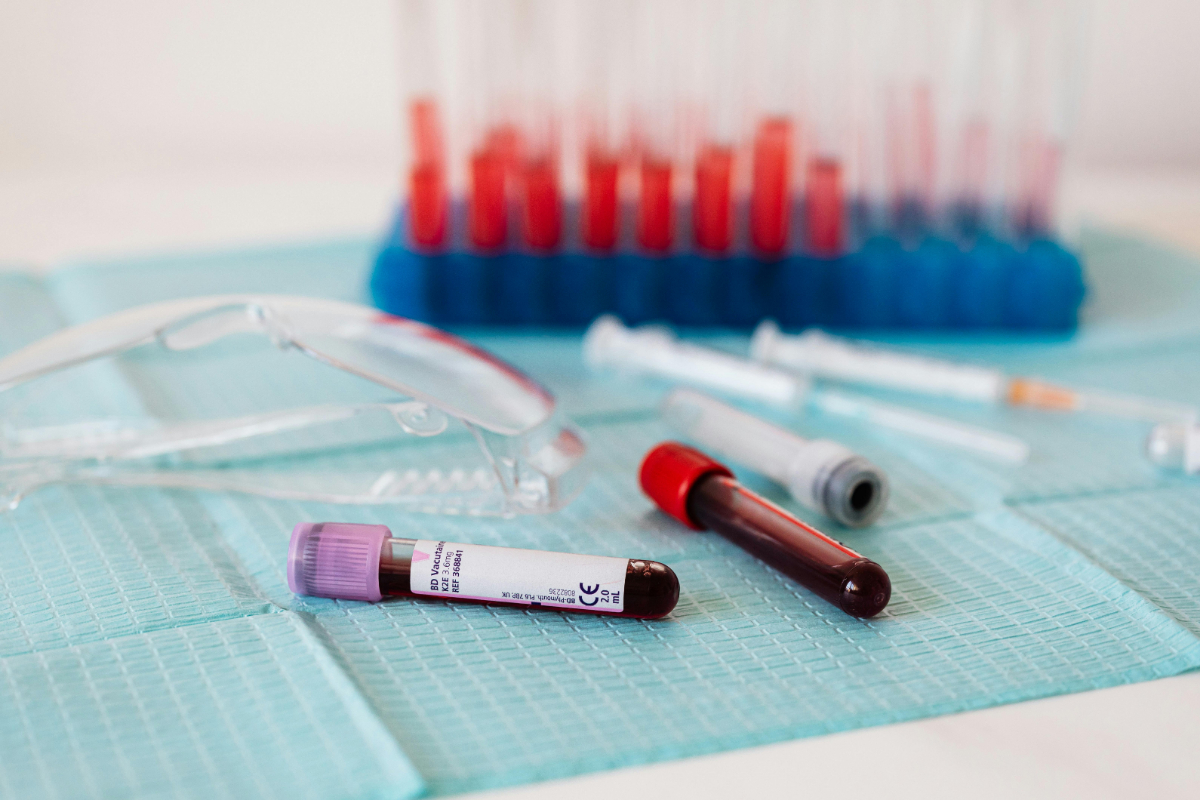
Your CBC report arrives and two abbreviations catch your eye: PLT and PCT. One or both are flagged outside the reference range, and your first instinct is to search for the worst-case scenario. The internet obliges with pages about blood clots, bleeding disorders, and bone marrow diseases.
Here is the reality: platelet fluctuations are among the most common findings on a complete blood count, and the vast majority have straightforward explanations — dehydration, a recent infection, or even the stress of a bad night's sleep. Understanding what platelets do, what PLT and PCT actually measure, and which patterns genuinely warrant attention will save you a great deal of unnecessary worry.
Disclaimer: This article is for educational purposes only and does not replace professional medical advice. Always consult a qualified healthcare provider for diagnosis and treatment.
What Are Platelets (PLT) and Plateletcrit (PCT)?
PLT — Platelet Count
Platelets (thrombocytes) are the smallest formed elements in your blood. They are not true cells but tiny disc-shaped fragments released by giant bone marrow cells called megakaryocytes. Despite their size, they perform a critical job: hemostasis — stopping bleeding.
When a blood vessel is damaged, platelets rush to the site within seconds. They stick to the exposed collagen in the vessel wall, activate, change shape, and aggregate together to form a "platelet plug." This primary plug seals the breach while the coagulation cascade builds a more durable fibrin clot on top.
PLT on your lab report is simply the number of platelets per liter (or microliter) of blood.
PCT — Plateletcrit
If PLT tells you how many platelets are circulating, PCT (Plateletcrit) tells you how much space they occupy. It is the percentage of total blood volume made up of platelets — analogous to hematocrit for red blood cells.
PCT is calculated automatically by the analyzer:
PCT = PLT x MPV / 10,000
where MPV (Mean Platelet Volume) is the average size of a single platelet in femtoliters (fL).
PCT provides additional context. Two patients can have identical PLT counts but different PCTs if one has larger platelets than the other — and larger platelets tend to be younger and more reactive.
Normal Ranges for PLT and PCT
Reference intervals used by major labs (Quest Diagnostics, LabCorp, Synlab) based on CLSI guidelines:
| Parameter |
Adults |
Pregnancy |
Children (1–12 yr) |
| PLT |
150–400 x 10^9/L |
140–340 x 10^9/L |
150–450 x 10^9/L |
| PCT |
0.15–0.40% |
0.15–0.35% |
0.15–0.40% |
Key notes:
- Menstruation can temporarily lower PLT by 10–20%, bringing values as low as 100–150 x 10^9/L during heavy flow. This is physiological and not a sign of disease.
- Pregnancy increases total blood volume (diluting platelets), so a mild decrease is expected, especially in the third trimester.
- Newborns have a wide range (100–450 x 10^9/L) due to the immature hematopoietic system.
A value a few points above or below these ranges is usually a pre-analytical artifact — dehydration, exercise, or improper sample handling — rather than a pathological finding.
Platelets Too High: Thrombocytosis
Thrombocytosis is defined as a platelet count above 400 x 10^9/L (some labs use 450 x 10^9/L). It comes in two fundamentally different forms.
Reactive (Secondary) Thrombocytosis — The Common Kind
In roughly 85–90% of cases, elevated platelets are a reaction to something else going on in the body. The bone marrow ramps up platelet production because it has been signaled by inflammatory cytokines or growth factors. Common triggers include:
- Acute and chronic infections. Bacterial pneumonia, urinary tract infections, and even a prolonged cold stimulate thrombopoietin and interleukin-6, both of which drive platelet production. PLT typically rises alongside elevated WBC and ESR.
- Iron deficiency anemia. This is a surprisingly common and underrecognized cause. When iron stores are depleted and hemoglobin drops, the bone marrow compensates by producing more platelets. If your PLT is elevated but your hemoglobin is low and MCV is low, iron deficiency is the likely culprit — check ferritin and iron studies.
- Surgery and trauma. Any significant tissue damage triggers a healing response that includes transient thrombocytosis. PLT may stay elevated for one to three weeks after a surgical procedure.
- Chronic inflammatory conditions. Rheumatoid arthritis, inflammatory bowel disease, and vasculitis maintain a low-grade inflammatory state that keeps platelets consistently above normal.
- Dehydration. Reduced plasma volume concentrates all blood cells, making PLT (and PCT) appear higher than they truly are. This is perhaps the single most common benign cause of a mildly elevated count.
- Intense exercise or acute stress. The spleen stores about a third of the body's platelets and releases them rapidly under sympathetic stimulation.
Reactive thrombocytosis rarely causes clotting complications. Treatment targets the underlying condition, and the platelet count normalizes once the trigger resolves.
Primary Thrombocytosis — The Rare Kind
In a small minority of cases, the bone marrow overproduces platelets due to a cell-intrinsic defect. This is typically a myeloproliferative neoplasm such as:
- Essential thrombocythemia (ET) — characterized by a persistently elevated PLT (often above 600 x 10^9/L) without an identifiable reactive cause.
- Polycythemia vera or primary myelofibrosis — broader bone marrow disorders that may also elevate red cells or cause fibrosis.
These conditions are diagnosed through bone marrow biopsy, genetic testing (JAK2 V617F mutation, CALR, MPL), and exclusion of reactive causes. They require hematologist follow-up.
When to suspect primary thrombocytosis: PLT persistently above 450–600 x 10^9/L on multiple tests over months, no obvious infection or iron deficiency, and possibly accompanied by unusual symptoms such as headache, visual disturbances, burning or tingling in the hands and feet (erythromelalgia), or unexplained blood clots.
Platelets Too Low: Thrombocytopenia
Thrombocytopenia is defined as a platelet count below 150 x 10^9/L. The clinical significance depends heavily on how low the count actually drops.
Mild Thrombocytopenia (100–150 x 10^9/L)
At this level, there is usually no bleeding risk, and the cause is often benign:
- Recent viral infection. Influenza, COVID-19, hepatitis, EBV (mono), and many other viruses temporarily suppress platelet production or accelerate their destruction. This is the single most common cause of acute, mild thrombocytopenia and typically resolves within two to four weeks.
- Medications. NSAIDs (ibuprofen), certain antibiotics (trimethoprim-sulfamethoxazole), heparin, and some diuretics can lower platelet counts. Always inform your doctor about every medication and supplement you take.
- Alcohol consumption. Even moderate alcohol intake suppresses bone marrow production and can directly damage platelets. Heavy drinking is a well-established cause.
- Pregnancy. Gestational thrombocytopenia affects up to 8% of pregnant women, usually in the third trimester, and is benign.
Moderate Thrombocytopenia (50–100 x 10^9/L)
This level deserves medical attention. While spontaneous bleeding is still uncommon, surgical or dental procedures carry increased risk. Potential causes include:
- Immune thrombocytopenic purpura (ITP) — the immune system mistakenly destroys its own platelets.
- Vitamin B12 or folate deficiency — needed for normal megakaryocyte maturation. If you also have elevated MCV, this is a strong clue.
- Liver disease — the liver produces thrombopoietin, and the spleen (which enlarges in liver disease) sequesters platelets.
- Autoimmune conditions — lupus and antiphospholipid syndrome can destroy platelets.
Severe Thrombocytopenia (Below 50 x 10^9/L)
At counts below 50 x 10^9/L, the risk of spontaneous bleeding increases substantially: easy bruising, gum bleeding, petechiae (tiny red spots on the skin), and heavy menstrual periods. Counts below 10–20 x 10^9/L carry risk of serious internal bleeding and require urgent evaluation.
Platelet Indices: MPV and PDW
Beyond PLT and PCT, your CBC may report two additional platelet metrics:
- MPV (Mean Platelet Volume): The average size of your platelets. Normal range: 7.5–12.0 fL. Young platelets are larger and more active. A low PLT with a high MPV suggests the bone marrow is working hard to compensate — producing fresh, large platelets to replace those being destroyed. A low PLT with a low MPV suggests the bone marrow itself is underproducing.
- PDW (Platelet Distribution Width): Measures variation in platelet sizes. Normal: 9–17%. A high PDW indicates a mix of old and young platelets, often seen during active platelet turnover.
These indices help your doctor distinguish between platelet destruction (as in ITP) and underproduction (as in bone marrow failure).
Interpreting Platelet Results: The Bigger Picture
Never draw conclusions from PLT or PCT alone. Here are the most informative patterns:
- PLT high + WBC high + ESR high → Reactive thrombocytosis due to infection or inflammation.
- PLT high + hemoglobin low + MCV low + ferritin low → Iron deficiency anemia is driving the platelet elevation. Treat the iron deficiency and platelets will normalize.
- PLT low + MPV high → Increased platelet destruction (immune-mediated or consumption). The bone marrow is trying to keep up.
- PLT low + MPV low → Bone marrow underproduction. Investigate for B12/folate deficiency, aplastic anemia, or marrow infiltration.
- PLT borderline low + everything else normal → Likely a benign variation, recent mild viral infection, or pre-analytical artifact. Recheck in 4–6 weeks.
For a broader understanding of how these values relate to overall blood health, see our complete blood count guide or the CBC vs metabolic panel comparison.
When to See a Doctor
Seek medical evaluation if:
- PLT is persistently above 450 x 10^9/L or below 100 x 10^9/L on repeated testing.
- You experience unexplained bruising, prolonged bleeding from minor cuts, blood in urine or stool, or nosebleeds that do not stop within 10–15 minutes.
- Low platelet count is accompanied by fatigue, fever, or petechiae (small, flat, red or purple spots).
- You are pregnant and your PLT drops below 100 x 10^9/L.
- There is a significant downward or upward trend over several tests, even if individual results remain within the normal range.
Your primary care physician may order a coagulation panel, peripheral blood smear, iron studies, B12/folate levels, liver function tests, or refer you to a hematologist depending on the pattern.
Platelets in Special Populations
Children
Pediatric platelet reference ranges are slightly wider than adult ranges, particularly in infants (100–450 x 10^9/L in the first year of life). Viral infections — extremely common in daycare-age children — are the leading cause of transient thrombocytopenia in pediatrics. A PLT of 120 x 10^9/L one week after a cold in a toddler who is otherwise well almost always normalizes within two to three weeks. For age-specific CBC norms, see our CBC in children guide.
Pregnant Women
Gestational thrombocytopenia (PLT 100–150 x 10^9/L in the third trimester) affects up to 8% of pregnancies and is benign. It results from hemodilution (increased plasma volume) and mildly accelerated platelet consumption. PLT below 100 x 10^9/L in pregnancy, however, warrants further evaluation to rule out preeclampsia, HELLP syndrome, or immune thrombocytopenia. For more on prenatal lab testing, see preconception blood tests for women.
Older Adults
Platelet counts may decline modestly with age. An incidental finding of PLT 140–150 x 10^9/L in a healthy 70-year-old with a stable trend over years is usually not concerning, but a new downward trend should be investigated.
How to Prepare for an Accurate Platelet Count
- Hydrate well the day before the draw — dehydration is the number one cause of falsely elevated PLT.
- Fast for 8–12 hours (water permitted) — a lipemic (fatty) sample can interfere with automated counts.
- Avoid strenuous exercise for 24 hours — it causes temporary platelet mobilization from the spleen.
- List all medications and supplements, especially aspirin, NSAIDs, fish oil, and blood thinners.
- Morning draw preferred — platelet counts vary modestly through the day, and morning values provide the most reproducible baseline.
Get Your Full Blood Count Interpreted
Platelet values gain real meaning only when evaluated alongside your red cell parameters, WBC differential, hemoglobin and hematocrit, and inflammatory markers. A single flagged number without context is a puzzle piece, not a diagnosis.
If you want a clear, jargon-free explanation of your entire CBC — including PLT, PCT, MPV, and every other value — upload your lab report at Evallume for an AI-powered interpretation that accounts for your age, sex, and the interplay between all your results.
This article is for informational purposes only. It does not constitute medical advice, diagnosis, or treatment. Consult a healthcare professional for any medical concerns.