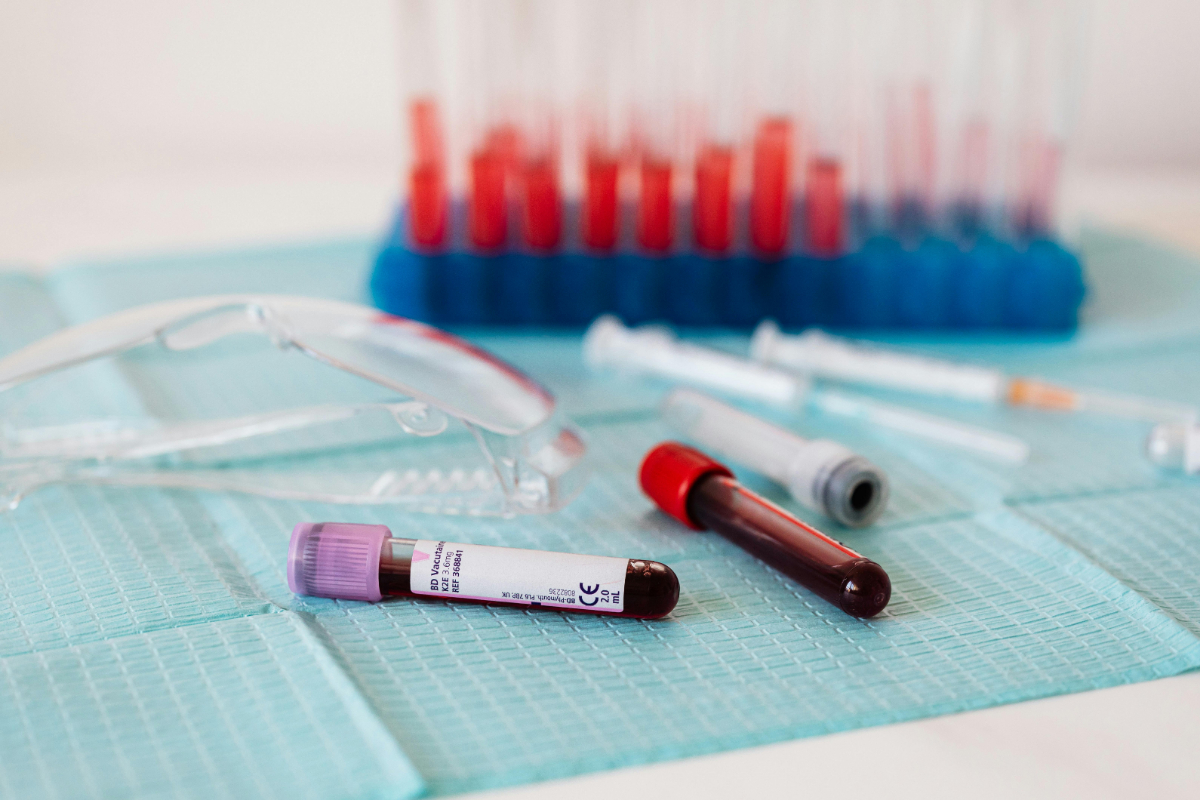
Your child has been running a fever for three days. The pediatrician orders blood work. A few hours later you are staring at a lab report filled with abbreviations, decimal points, and little arrows pointing up or down. Your stomach tightens. What does it all mean? Is something seriously wrong?
Take a breath. The vast majority of abnormal-looking values on a pediatric complete blood count (CBC) have straightforward, benign explanations. The problem is not the numbers themselves — it is that most lab reports were designed for physicians, not parents, and the reference ranges printed alongside the results almost always reflect adult norms.
This guide walks you through every section of your child's CBC in plain language, explains the most common patterns pediatricians look for, and helps you understand which findings are routine and which ones genuinely need attention.
Disclaimer: This article is for educational purposes only and does not replace a consultation with your child's doctor. Lab values must always be interpreted in clinical context — a single number, in isolation, rarely tells the full story.
What Is a CBC and Why Did the Doctor Order It?
A complete blood count (CBC) is the most commonly ordered blood test in pediatric medicine. It measures the quantity and characteristics of the three main types of blood cells:
- Red blood cells (RBCs): Carry oxygen from the lungs to every tissue in the body.
- White blood cells (WBCs): Fight infections and coordinate the immune response.
- Platelets: Form clots to stop bleeding when a blood vessel is damaged.
Pediatricians order a CBC for a wide range of reasons: to investigate a fever that will not break, to check for anemia in a pale and tired child, to monitor recovery from an infection, or simply as part of a routine well-child visit. It is a quick, inexpensive test with a fast turnaround — most labs (Quest Diagnostics, LabCorp, Synlab) return pediatric CBC results within 2-4 hours.
For a comprehensive overview of the CBC in all age groups, see our complete blood count interpretation guide.
Section 1: Red Blood Cells — The Oxygen Carriers
This section of the report tells you whether your child's blood is delivering enough oxygen. The key numbers to look at are:
Hemoglobin (Hb or HGB)
Hemoglobin is the iron-rich protein inside red blood cells that binds oxygen. It is measured in g/dL (grams per deciliter).
What to expect by age:
- Newborns: 13.5 - 22.5 g/dL (very high — they need extra oxygen-carrying capacity at birth)
- 2 - 6 months: 9.5 - 14.5 g/dL (drops naturally as fetal hemoglobin is replaced)
- 1 - 6 years: 11.0 - 14.0 g/dL
- 6 - 12 years: 11.5 - 15.5 g/dL
- 12+ years: 12.0 - 16.0 g/dL (boys trend higher than girls)
Low hemoglobin (anemia) is the most common blood abnormality in children worldwide. Symptoms include pallor, fatigue, irritability, and poor appetite. The most frequent cause is iron deficiency, which is easily treated with dietary changes or supplements. Less common causes include vitamin B12 deficiency, chronic disease, or inherited conditions like thalassemia or sickle cell disease.
High hemoglobin in children is uncommon and is usually caused by dehydration (the blood is concentrated because the child has not been drinking enough fluid). Once rehydrated, the value normalizes.
Hematocrit (Hct)
Hematocrit is the percentage of blood volume occupied by red cells. It moves in parallel with hemoglobin — when one is low, the other usually is too. Think of it as a different way of measuring the same thing.
Red Cell Indices (MCV, MCH, MCHC, RDW)
These numbers describe the size and hemoglobin content of individual red cells and help your doctor classify the type of anemia:
- MCV (mean corpuscular volume): Are the cells too small (microcytic — think iron deficiency) or too large (macrocytic — think B12/folate deficiency)?
- MCH and MCHC: How much hemoglobin is packed into each cell?
- RDW (red cell distribution width): Are the cells all the same size, or is there a wide variation?
A low MCV with a high RDW in a toddler is the classic fingerprint of iron-deficiency anemia. Your pediatrician will likely recommend iron-rich foods or supplements and a recheck in 4-8 weeks. For a deeper dive into red cell indices, see MCV, MCH, MCHC, and RDW explained.
Section 2: White Blood Cells — The Immune Army
This is usually the section that generates the most parental anxiety, because the numbers are often flagged as "high" on the printout. Here is why that flag is frequently misleading in children.
Total WBC Count
The total white blood cell count tells you the overall size of your child's immune response. Normal ranges vary enormously by age:
- Infants under 1 year: 6.0 - 17.5 x 10^9/L
- Toddlers 1 - 5 years: 5.0 - 15.5 x 10^9/L
- School-age 6 - 12 years: 4.5 - 13.5 x 10^9/L
- Teens 12+: 4.5 - 11.0 x 10^9/L
A WBC of 14 in a two-year-old is perfectly normal. The same number in a teenager suggests the immune system is responding to something.
The White Cell Differential — Who Is Fighting?
The total count tells you how many soldiers are deployed, but the differential tells you which soldiers. This is where the real diagnostic power lies.
Neutrophils (NEUT) — the bacterial fighters. These cells are first responders against bacteria. When neutrophils are elevated and the child has a high fever, the picture often points toward a bacterial infection (strep throat, ear infection, pneumonia). A very low neutrophil count (neutropenia) can make children vulnerable to infections and should be evaluated.
Lymphocytes (LYM) — the viral fighters. These cells target viruses. In children under 5, lymphocytes are normally the dominant white cell type (this is the physiological "lymphocyte-neutrophil crossover" explained in our pediatric CBC ranges by age article). A mild lymphocyte elevation during a cold is entirely expected.
Monocytes (MONO) — the cleanup crew. Monocytes rise during the tail end of an infection, when the body is clearing out debris. If your child is recovering from an illness and monocytes are slightly elevated, it usually means the immune system is finishing the job. More on this in our monocyte count guide.
Eosinophils (EOS) — the allergy and parasite detectors. Elevated eosinophils in a child with rashes, wheezing, or chronic cough may point to allergies, asthma, or (less commonly) parasitic infection. See our article on eosinophils, basophils, allergy, and parasites.
Basophils (BASO) — present in very small numbers. Mild elevations are rarely significant on their own.
For a full walkthrough of the WBC differential, see WBC differential interpretation.
Section 3: Platelets — The Clotting Cells
Platelets are tiny cell fragments that form plugs at sites of bleeding.
- Normal range for most children: 150 - 400 x 10^9/L.
High platelets (thrombocytosis) in children are overwhelmingly reactive — meaning the body is temporarily making more platelets in response to an infection, inflammation, or iron deficiency. A platelet count of 500 or even 600 after a recent cold is common and resolves on its own within weeks.
Low platelets (thrombocytopenia) — below 150 x 10^9/L — can occur during acute viral infections (the virus temporarily suppresses platelet production) or, less commonly, in immune thrombocytopenic purpura (ITP), where the immune system mistakenly destroys platelets. Watch for unusual bruising, petechiae (tiny red dots on the skin), or nosebleeds. If you notice these alongside a low platelet count, contact your pediatrician promptly.
Read more about platelet abnormalities in platelet count: high and low PLT.
Section 4: ESR — The Inflammation Gauge
The erythrocyte sedimentation rate (ESR, or "sed rate") is sometimes ordered alongside the CBC. It measures how quickly red blood cells settle in a tube, which happens faster when inflammation-related proteins are present.
- Normal range in children: 0 - 15 mm/hr (varies by age; newborns are lower).
Key characteristics parents should know:
- ESR rises slowly — it may not peak until 2-3 days into an illness.
- ESR falls slowly — it can remain elevated for 2-4 weeks after your child is fully recovered.
- A mildly elevated ESR (15-20 mm/hr) in an otherwise happy, playful child usually does not indicate ongoing infection.
For a detailed explanation, see high ESR/sed rate: causes and meaning.
Pattern Recognition: What Common Illnesses Look Like on a CBC
Instead of obsessing over individual numbers, pediatricians read the CBC as a story. Here are the four most common "plots":
Pattern 1: Viral Infection (Cold, Flu, RSV)
- WBC: Normal or slightly low
- Neutrophils: Decreased
- Lymphocytes: Elevated (they are fighting the virus)
- ESR: Normal or mildly elevated
- What it means: The body is handling a virus. Antibiotics will not help. Rest, fluids, and time are the treatment.
Pattern 2: Bacterial Infection (Ear Infection, Strep, UTI)
- WBC: Elevated, often significantly (above 15 x 10^9/L)
- Neutrophils: Elevated (the primary clue)
- Band cells (immature neutrophils): Present — this is the "left shift"
- Lymphocytes: Decreased relative to neutrophils
- ESR: Elevated, often above 20 mm/hr
- What it means: A bacterial invader that may require antibiotics. Your pediatrician will decide based on the full clinical picture. For a focused discussion on this topic, read our article on whether a CBC can tell if your child needs antibiotics.
Pattern 3: Iron-Deficiency Anemia
- Hemoglobin: Low for age
- MCV: Low (small red cells)
- RDW: High (variable cell sizes)
- Platelets: May be elevated (reactive thrombocytosis)
- WBC: Usually normal
- What it means: Your child's iron stores are depleted. Common in toddlers who drink excessive milk and eat few iron-rich foods. Treatment typically involves dietary changes and iron supplementation. Check our iron and ferritin blood test guide for more.
Pattern 4: Allergic Response
- WBC: Normal or slightly elevated
- Eosinophils: Elevated (above 5% or above 0.5 x 10^9/L)
- Other cell lines: Usually normal
- What it means: The immune system is reacting to an allergen (or, less commonly, a parasite). Common in children with eczema, asthma, or food allergies.
Red Flags: When to Call the Doctor Immediately
Most CBC abnormalities in children are mild and self-limiting. However, the following findings are urgent:
- Hemoglobin below 7 g/dL — severe anemia that may require transfusion.
- WBC above 30 x 10^9/L in a child over 1 month — could indicate a serious infection or, rarely, leukemia.
- Platelets below 50 x 10^9/L — significant bleeding risk.
- Blasts (immature cells) on the differential — these cells should not be in peripheral blood and require urgent referral.
- All three cell lines simultaneously low (pancytopenia) — may indicate bone marrow failure.
- Persistent unexplained abnormalities — if values remain out of range on repeat testing without an obvious explanation, further investigation is needed.
Common Questions Parents Ask
"The report says HIGH next to my child's WBC. Should I panic?"
Almost certainly not. Check the age-specific ranges (not the adult ranges on the printout). A WBC of 13 in a three-year-old is normal. Also, crying and stress before the blood draw can bump the WBC up temporarily.
"My baby's hemoglobin was 18 at birth and now it's 10. Is she anemic?"
This is the normal physiological drop that occurs as fetal hemoglobin is replaced with adult hemoglobin. As long as the value stays within the age-appropriate range, it is expected.
"Should I fast my child before a CBC?"
A CBC itself does not require fasting. However, if the doctor also ordered a chemistry panel or glucose test, fasting is usually recommended. For infants, a 2-hour gap after feeding is sufficient for a CBC.
"How often should my child get a CBC?"
The AAP recommends universal anemia screening between 9-12 months. After that, once a year during well-child visits is typical. Additional testing depends on symptoms and medical history.
"Can teething cause abnormal blood results?"
Mildly elevated WBC and ESR can occur during teething due to gum inflammation, but the changes should be modest. High fever and significantly abnormal results during teething should not be attributed to teething alone — have your pediatrician evaluate.
Making Sense of It All: Upload and Analyze
Reading a child's blood test report does not have to feel like deciphering a foreign language. Once you understand the basic framework — red cells carry oxygen, white cells fight infections, and platelets stop bleeding — the numbers start to tell a story.
But you should not have to interpret the story alone. Upload your child's CBC results to Evallume, and our AI-powered system will automatically apply age-specific pediatric reference ranges based on your child's date of birth, flag any values that fall outside those ranges, explain possible causes in plain language, and indicate whether a follow-up visit is advisable.
No more comparing a toddler's lymphocyte count to adult norms. No more late-night anxiety spirals on health forums. Get clear, age-appropriate answers in minutes.
Upload your child's blood test now
This article is for informational and educational purposes only. It is not a substitute for professional medical advice, diagnosis, or treatment. Always seek the guidance of your child's pediatrician with any questions you may have regarding their health or lab results.